Buying a Waterfront Home in Florida: Flood Zones, Insurance, and Resale Value
Key Points
- Flood zone designation affects both your insurance costs and whether a lender will require flood coverage.
- Waterfront homes in Florida can carry higher insurance premiums than inland homes, so get quotes before you make an offer.
- An elevation certificate shows how a home sits compared to flood levels and can help lower your premiums.
- Seawall condition, dock permits, and shoreline erosion can all affect your long-term maintenance costs.
- Resale value depends on the type of water, the lot, the elevation, and how well the home has been maintained.
- EAZ Realty helps buyers review flood, insurance, and resale factors before they write an offer.
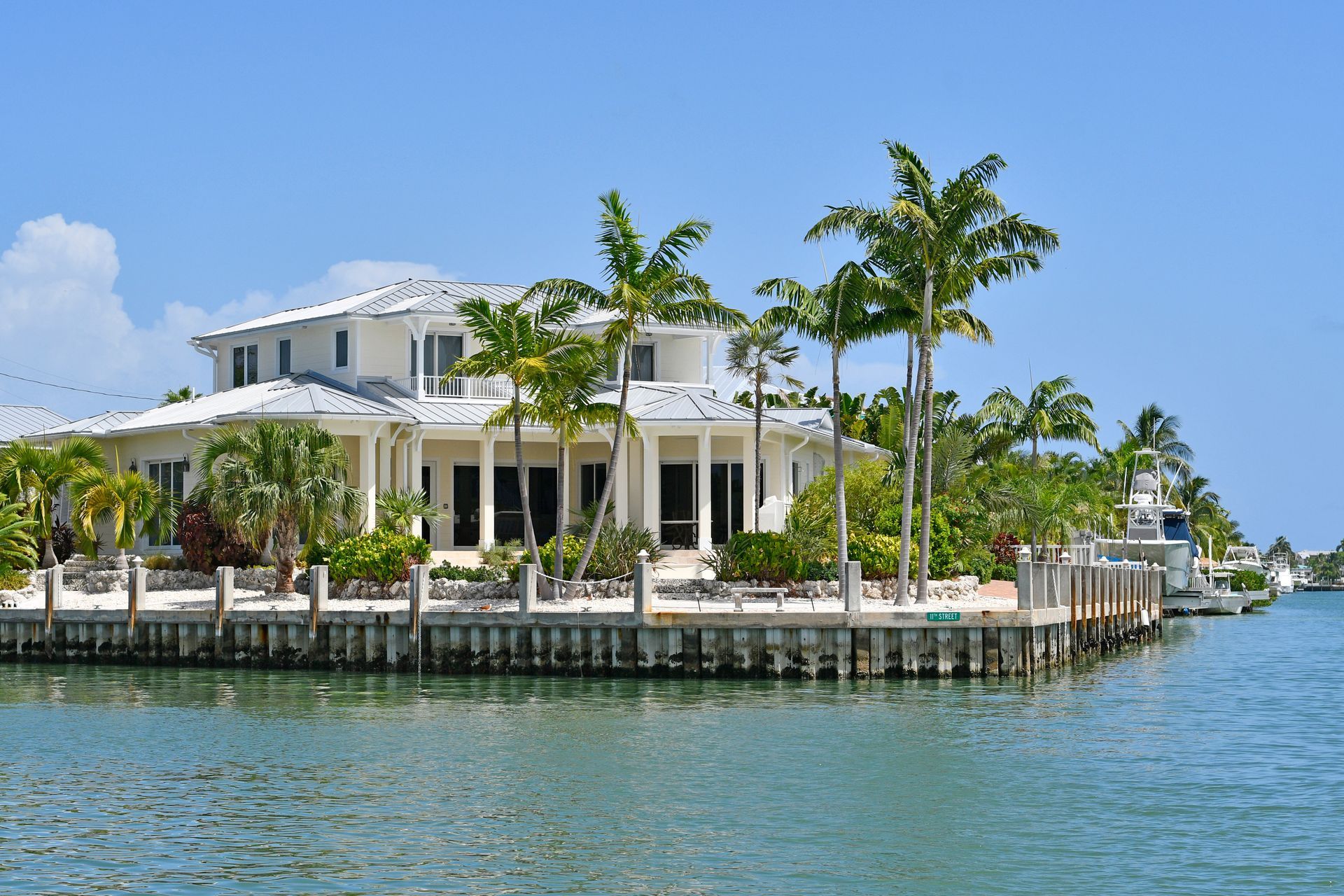
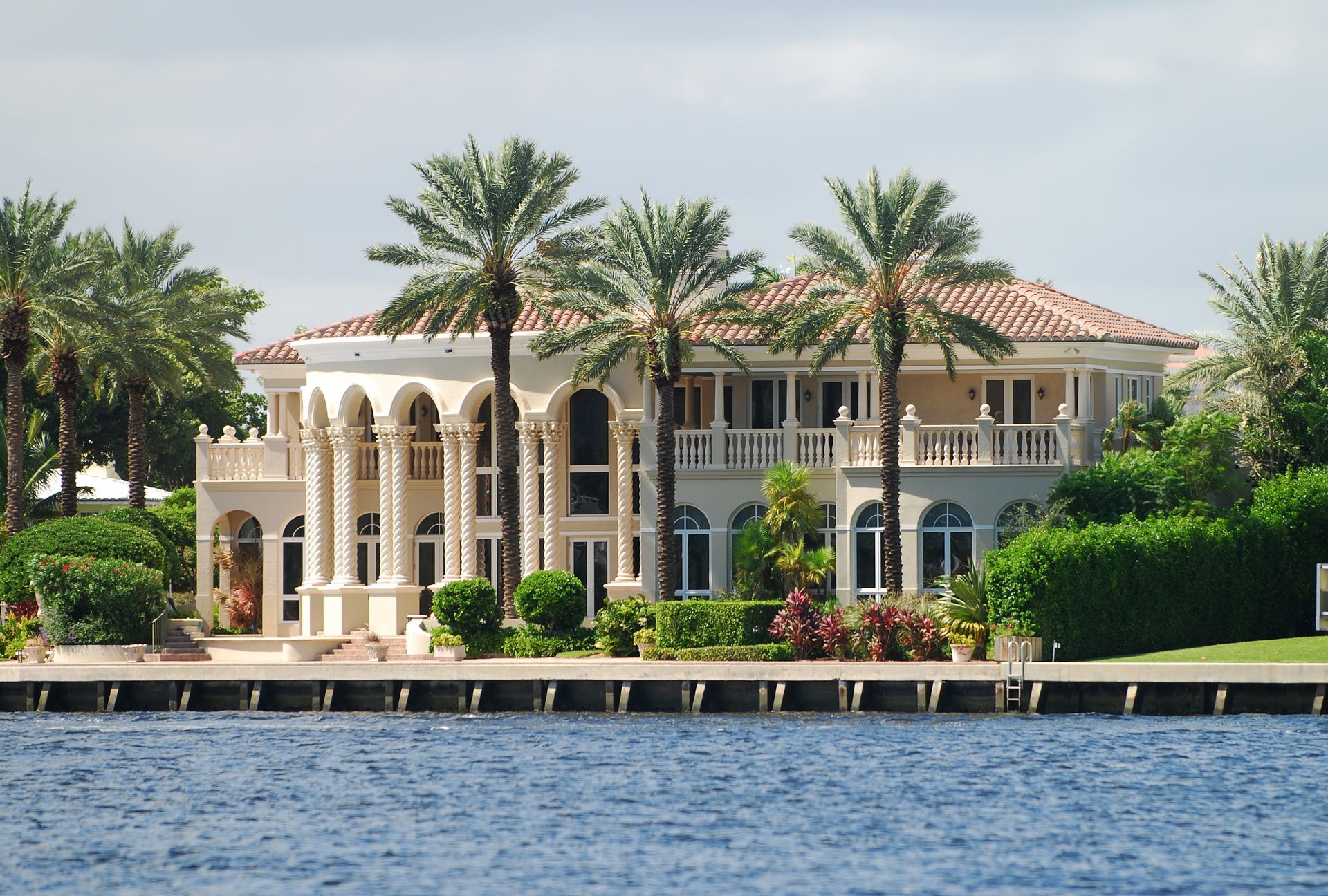
Waterfront living in Florida is a dream for a lot of people. Picture morning coffee with a view of the Intracoastal, a boat ready at the dock, and sunsets that never get old. But a waterfront home comes with a few extra things to think about that inland buyers may never face.
The three biggest topics are flood zones, insurance, and resale value. They're tightly connected. The flood zone affects your insurance bill, and your insurance bill affects what you can comfortably afford. Together, those factors shape how a home holds its value over time. Let's walk through each one so you can shop with your eyes wide open.
Understanding Flood Zones
The Federal Emergency Management Agency, known as FEMA, maps flood risk across the country. Those maps place each property into a flood zone based on how likely it is to flood. You can look up a property's zone on the FEMA flood maps page, or ask your agent to pull it for you.
High-Risk Zones
Zones labeled A and V are considered high risk. Zone AE shows up often along rivers, canals, and coastal areas. Zone VE is a coastal high hazard area where waves can add to the flood danger. If a home sits in a high-risk zone and the buyer uses a federally backed mortgage, the lender will generally require flood insurance.
Moderate and Low-Risk Zones
Zones labeled X are considered moderate or low risk. That doesn't mean a home can't flood. Heavy rain, storm surge, and poor drainage can cause problems almost anywhere in Florida. Many buyers skip flood insurance in lower-risk zones and later wish they hadn't, so ask about coverage even when the zone looks safe.
Get an Elevation Certificate
An elevation certificate is a survey that measures a home's height compared to the base flood elevation. Insurers use it to price policies. A home built above that level may qualify for lower rates. If the seller has one, ask for a copy. If not, you can order one before closing.
Flood Insurance and Your Monthly Budget
Flood insurance is usually separate from a standard homeowners policy. Most buyers get coverage through the National Flood Insurance Program or a private flood carrier. Costs and coverage limits depend on the home's age, elevation, construction, and flood zone.
Wind and hurricane coverage is another piece of the puzzle. Many coastal homeowners in Florida buy a separate wind policy, and some get coverage through Citizens Property Insurance, the state-backed insurer of last resort. Premiums have changed a lot in recent years, so don't assume your neighbor's bill is a good preview of yours.
Our tip is to get insurance quotes early, while you're still deciding. Insurance can change a home's monthly cost enough to change your decision entirely. Ask for quotes on the exact address you're considering, not just a general estimate for the area.
Seawalls, Docks, and Hidden Maintenance
Waterfront properties come with upkeep that most inland homes don't have. Seawalls and bulkheads hold back soil and water, and they age. A thorough inspection can reveal cracks, leaning, or erosion behind the wall. Repairs can be expensive, so ask who is responsible for the seawall and whether any special assessments are planned.
Docks, boat lifts, and shoreline work usually need permits from local and state agencies. Check which permits the seller holds and whether any improvements were made without them. Unpermitted work can create headaches at resale and when you file an insurance claim.
Resale Value: What Holds Its Worth
Waterfront homes often attract strong interest from buyers, but resale value depends on the details. The type of water matters. Ocean, Intracoastal, river, lake, and canal properties each have different appeal and different risks. Lot depth, dock access, elevation, and seawall condition all play a role.
Location and upkeep matter too. A well-maintained home on a good lot in a desirable area usually holds its value better than one with deferred repairs. Insurance costs matter for resale, too. Buyers compare monthly costs, so a home with more manageable premiums can be easier to sell down the road.
Think About Your Exit Plan
Ask yourself how long you plan to own the home. Short-term ownership carries more risk because you may not recover closing costs and transaction fees. Longer ownership gives values time to grow and gives you time to enjoy the property.
Questions to Ask Before You Make an Offer
- Ask for the flood zone designation and any elevation certificate on file.
- Request insurance quotes for the exact property address.
- Review seawall and dock inspection reports.
- Confirm permits for all waterfront improvements.
- If the home is in a community, ask about HOA rules, special assessments, and reserve funds.
Talk With EAZ Realty About Your Waterfront Search
Buying waterfront property is a bigger decision than most, and it helps to have a local guide. EAZ Realty works with buyers across Palm Coast, Ormond Beach, Daytona Beach, Port Orange, New Smyrna Beach, Orlando Area, Miami, Ponte Vedra, St. Augustine, Tampa & St. Petersburg, FL.
We can help you understand the flood and resale questions that matter for each property. We are not insurance agents, though, so please confirm your coverage with a licensed insurance professional.
EAZ Realty
160 Cypress Point Pkwy, Suite B104
Palm Coast, FL 32164
(386) 585-4833
info@eazrealty.com
FAQs About Waterfront Homes in Florida
What is a flood zone?
A flood zone is a category FEMA assigns to a property based on its flood risk. High-risk zones carry labels like A and V. Moderate and low-risk zones carry labels like X. The zone affects whether flood insurance is required and how much coverage costs. You can check a property's zone on FEMA's flood map tool or through your real estate agent.
Do I need flood insurance on a waterfront home in Florida?
It depends on the zone and your loan. If the home is in a high-risk zone and you have a federally backed mortgage, your lender will generally require flood insurance. Even in lower-risk zones, flood insurance is worth considering because heavy rain and drainage problems can cause damage anywhere in Florida.
How much does flood insurance cost in Florida?
Costs vary widely. Factors include the home's elevation, age, construction, flood zone, and coverage amount. Ask for quotes on the specific address, since an estimate for the general area may not match the actual premium.
What is an elevation certificate?
An elevation certificate is a survey that measures a building's height compared to the base flood elevation for its location. Insurers use it to set flood premiums. A home built above that level may qualify for lower rates, so it's worth asking the seller whether one exists before you buy.
Do waterfront homes hold their value in Florida?
Waterfront homes often hold value well because demand for water access is strong. Still, no property is guaranteed to appreciate. Water type, lot quality, elevation, maintenance, and insurance costs all affect resale. A well-kept home in a desirable location is generally in a stronger position than one with deferred repairs.
What should I check on a seawall before buying?
Look for cracks, leaning, erosion behind the wall, and signs of water intrusion. Ask for past inspection reports and repair records. Find out who maintains the seawall and whether any special assessments are planned. A licensed marine contractor or inspector can give you a clearer picture of its condition and remaining life.
Can I add a dock or boat lift after I buy?
Usually, yes, but you'll need permits from local and state agencies first. Requirements vary by location and water body. Ask your agent and the local permitting office before assuming an addition is allowed. Unpermitted work can create problems when you sell or file a claim.
FAQs About EAZ Realty
Does EAZ Realty work with waterfront buyers across Florida?
Yes. EAZ Realty serves buyers and sellers across many Florida markets, including Palm Coast, Ormond Beach, Daytona Beach, St. Augustine, Ponte Vedra, Orlando, Miami, and Tampa. We can help you compare waterfront options across these areas.
Can EAZ Realty help me review flood zones and resale factors?
Yes. We can pull flood zone information, talk through how elevation and water type affect a property, and help you ask the right questions before you make an offer.
Does EAZ Realty sell insurance?
No. We are not insurance agents. We can point you toward local professionals, including insurance agents and inspectors, but you'll choose the professionals you work with.
How can I contact EAZ Realty?
Call us at (386) 585-4833, email info@eazrealty.com, or visit our office at 160 Cypress Point Pkwy, Suite B104, Palm Coast, FL 32164. We would love to hear about the waterfront home you have in mind.
Disclaimer: The information provided on this blog is for general informational purposes only and should not be considered professional advice. While we strive to ensure that all content is accurate and up to date, no guarantees are made regarding its completeness or reliability. Readers are encouraged to seek professional guidance specific to their situation before making any decisions based on the information provided. The author and this blog disclaim any liability for actions taken or not taken based on the content herein.